Spray Foam Insulation
Spray foam is the right call for hard-to-reach spaces, rim joists, and areas where an airtight seal matters more than coverage alone.
Learn more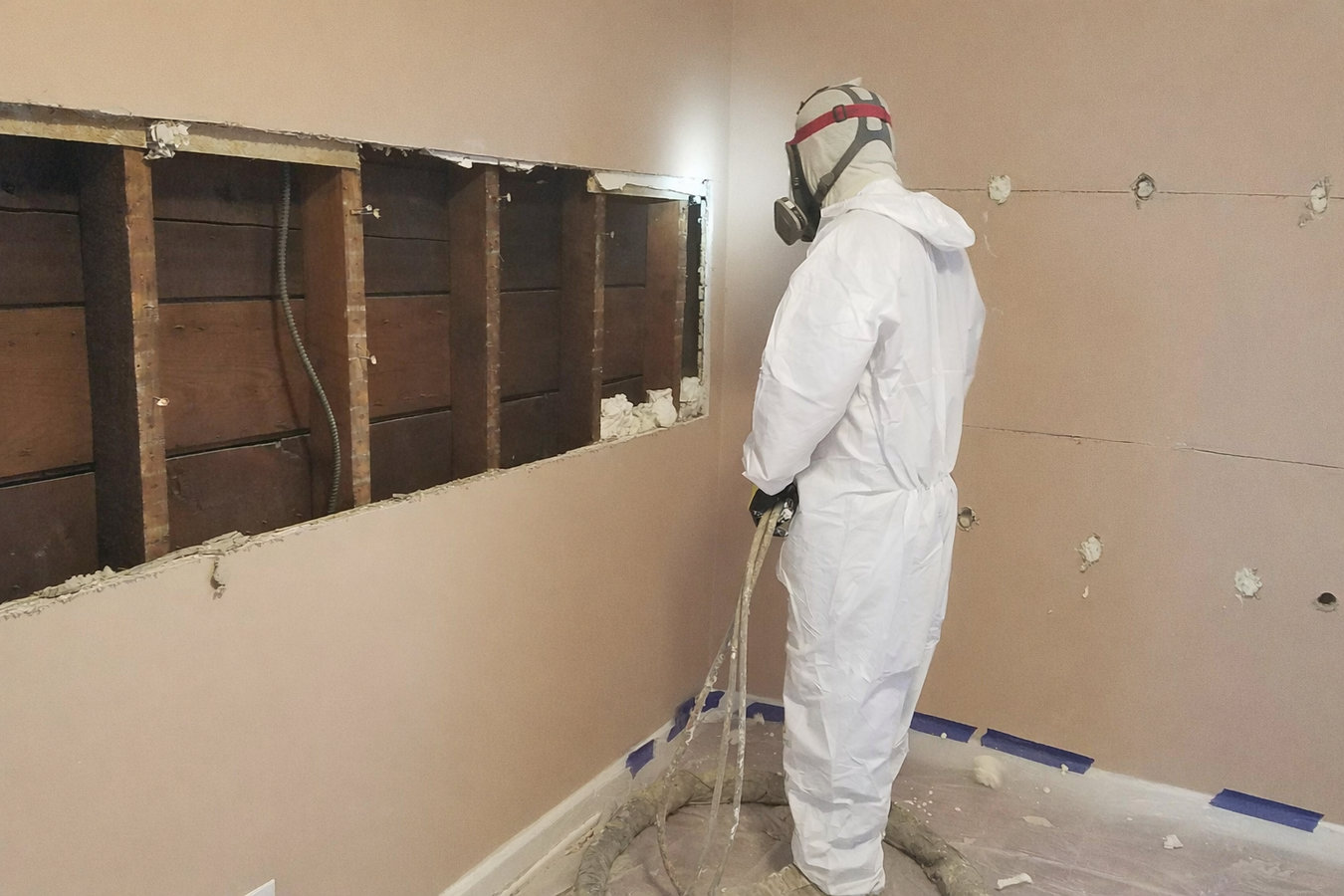
Your existing home can perform like a newer one. We add insulation to attics, walls, and crawl spaces without tearing anything apart.
Retrofit insulation in Hollister means adding insulation to a home that is already built - most attic jobs complete in one day, and homeowners do not need to vacate during the work. No major renovation required.
Retrofit insulation works through your home's existing access points - attic hatches, crawl space vents, or small holes drilled in walls - so the result is a better-insulated home without a major overhaul. The most common starting point is the attic, which accounts for a significant share of heat loss and gain in most older Hollister homes. Before any insulation goes in, gaps and air leaks need to be sealed first - skipping that step is the most common shortcut that leaves homeowners with disappointing results. If your attic has never had spray foam insulation or proper air sealing, those steps are addressed first as part of the same project.
Hollister has a large share of homes from the 1960s through 1980s that were built under much looser standards than homes constructed today. Many have little or no wall insulation and minimal attic coverage. If your home falls in that age range, retrofit insulation can make a dramatic difference in how your home feels and what you pay to keep it comfortable.
If your living spaces stay uncomfortably hot even with the air conditioner running during Hollister's peak summer months, heat is likely pouring in through an under-insulated attic or walls. You might notice it most in upstairs rooms or in areas directly below the roof. That is a clear sign the insulation is not doing its job.
Hollister summers are long and hot. If your cooling costs jump dramatically from June through September, your home is probably working harder than it should to stay comfortable. Compare your summer PG&E bills to your winter bills - a large gap often points to poor attic insulation. A well-insulated home holds a stable temperature much more efficiently.
If you can safely peek into your attic and see the wooden beams between thin patches of insulation, you do not have enough coverage. Older Hollister homes from the 1960s and 70s often have just a few inches of original insulation that has settled and compressed over the decades. Settled insulation loses much of its ability to slow heat transfer.
Hollister homes with raised foundations can develop moisture problems in the crawl space, especially in winter and spring. A musty smell rising through your floors is a sign that the crawl space is not properly insulated or sealed. Left unaddressed, moisture in a crawl space can damage floor framing over time - insulating and encapsulating it solves both the comfort and the moisture problem.
We start every retrofit project by assessing the attic, walls, and crawl space together - not just the area the homeowner noticed first. The attic is the highest priority in most Hollister homes because it is where heat gain is most dramatic in summer, but crawl spaces and walls matter too. Before insulation is installed, we air-seal gaps and cracks in each area - that step is what makes the insulation actually perform at the level it was designed for. We use blown-in fiberglass and cellulose for attics and wall cavities, and spray foam where a tighter seal is needed around pipes or in crawl spaces. If your home would benefit from spray foam insulation in specific problem areas, we incorporate that into the same project rather than treating it as a separate visit.
For homeowners who are not sure whether to prioritize the attic or the crawl space, we give you a clear written recommendation with the reasoning behind it - not a sales pitch for the most expensive option. Many Hollister homeowners find that a complete home insulation assessment helps them see the whole picture before deciding where to start. PG&E rebate eligibility is discussed at the estimate stage, and we handle the paperwork so you get the money back that you are entitled to.
Best for homeowners whose primary problem is heat gain in summer - blown-in material fills the attic evenly after air sealing is complete.
Ideal for Hollister homes with raised foundations where moisture and cold floors in winter point to an undersized or missing crawl space treatment.
For older homes with little or no wall insulation, dense-pack blown-in material fills existing wall cavities through small access holes that are patched and finished.
Suitable for homeowners who want the attic, walls, and crawl space addressed together for the most complete improvement in comfort and efficiency.
Hollister sits in the San Benito Valley and regularly sees summer highs in the 90s, sometimes climbing to 100 degrees or above. When outside air gets that hot, an under-insulated attic can reach extreme temperatures, and that heat radiates straight down into your living space. Upgrading attic insulation is one of the most direct ways to keep your home cooler without running the air conditioner constantly. Hollister also has homes with raised foundations and crawl spaces that accumulate moisture in winter - the area sits near active fault systems, and homes here often have raised foundations that leave the crawl space exposed to seasonal damp air from the valley floor. A contractor who knows this area will assess your crawl space for moisture before recommending an insulation material, rather than defaulting to whatever they use everywhere else. Homeowners in Gilroy deal with the same combination of inland summer heat and wet winter conditions, and the same retrofit approach applies there.
A significant portion of Hollister's housing stock was built in the 1960s through 1980s, before California adopted stricter energy codes. Homes from that era often have little or no wall insulation and minimal attic coverage - if your home was built before 1990, there is a good chance it is under-insulated by today's standards. PG&E serves Hollister and offers rebates for qualifying insulation upgrades, and California's building energy standards may require insulation work to be addressed when you pull a permit for other renovation projects. We also serve homeowners in Santa Cruz where coastal conditions and an older housing stock create a similar case for retrofit upgrades.
We reply within one business day. On your first call, we ask about the age of your home, which areas you are concerned about, and what comfort problems you have noticed. This helps us arrive prepared with the right equipment and materials rather than making a second trip.
The contractor walks through and inspects your attic, crawl space, and walls as needed. They are looking at how much insulation is already present, whether air leaks need to be sealed first, and whether moisture or ventilation issues need to be addressed. You will receive a written estimate that explains what is being recommended and why.
The crew arrives with their equipment and gets to work. For attic jobs, they air-seal any gaps first, then blow in insulation to the correct depth. For crawl spaces, they install insulation and may add a moisture barrier. Most homeowners go about their normal day - the work is noisy near the access point but does not disrupt the rest of the home.
When the job is done, the crew cleans up and walks you through what was installed. If your project qualifies for a PG&E rebate, we provide the documentation you need or handle the submission directly. You will notice the difference in comfort within the first few days, and the impact on your bills shows up in the first full billing cycle.
No obligation. Written quote. We reply within one business day.
(831) 271-0020Skipping air sealing before adding insulation is the most common shortcut in this industry, and it leaves homeowners with disappointing results. We seal every gap and crack first, then install insulation on top - that sequence is what makes the final product actually perform at the level it was rated for.
Most of Hollister's neighborhoods were built between the 1960s and 1990s - homes with a raised foundation, original plumbing, and decades of settled insulation. We work in homes like this every week and know what each type of older construction typically needs before we walk in the door.
PG&E serves Hollister and offers rebates for qualifying insulation upgrades. The U.S. Department of Energy estimates that properly air-sealing and insulating a home can cut heating and cooling costs by up to 15 percent. We flag every rebate and credit that applies to your project at the estimate stage and handle the submission. Learn more about insulation efficiency at the{" "}U.S. Department of Energy.
We follow the installation standards set by the{" "}Building Performance Institute{" "}so your home is treated as a whole system rather than one isolated fix. Every retrofit is documented from start to finish, giving you a clear record of the scope, materials, and coverage before and after the work.
A well-done retrofit project brings your older Hollister home up to the standard it was never built to meet - and you will feel the difference in every room, every season of the year.
Spray foam is the right call for hard-to-reach spaces, rim joists, and areas where an airtight seal matters more than coverage alone.
Learn moreA complete home insulation assessment covers every part of your home together so nothing gets missed and you only pay for one coordinated visit.
Learn moreRetrofit insulation is one of the highest-return upgrades you can make in an older Hollister home. Book your free estimate now before the busy season fills the schedule.