Insulation removal
When old material is contaminated or pest-damaged, a clean removal lets us start fresh and get full performance from the new insulation.
Learn more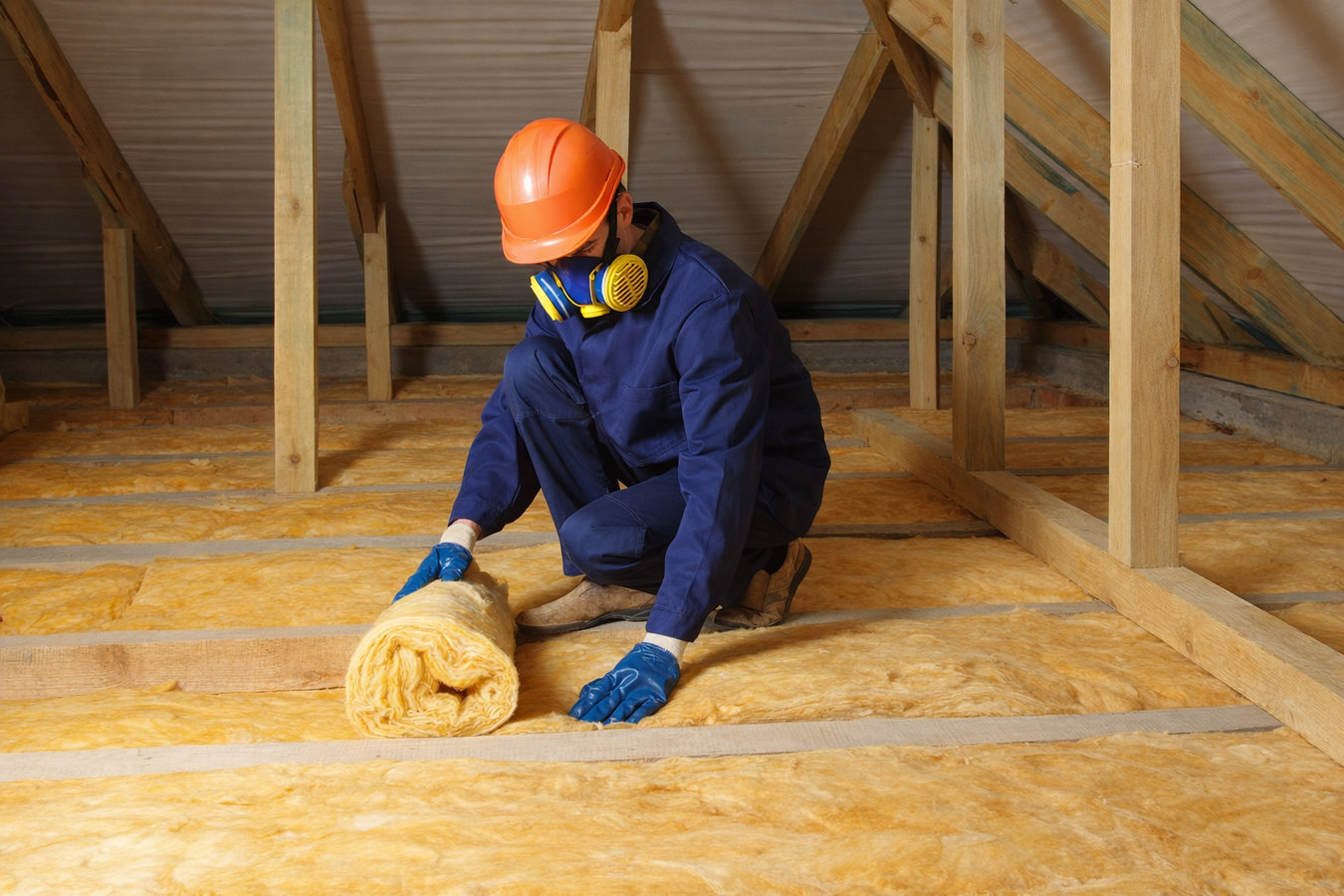
Your home loses heat in winter and holds heat in summer because insulation is thin or missing. We assess and upgrade every problem area - attic, walls, crawl space - so the fix sticks all year.
Home insulation in Hollister covers every area where heat moves through your home - the attic is the priority, but walls, floors over crawl spaces, and the rim area where your foundation meets the framing all matter - most projects are assessed and completed within one to two days. The work involves measuring what is already there, identifying where the gaps are, and choosing the right material for each area: blown-in loose fill for attics, spray foam for tight spaces, or batt rolls for open wall cavities. Many Hollister homes were built to older standards and have insulation that is well below what is now recommended for Central California's climate. If your energy bills are high or rooms never feel quite right, pairing a full home insulation upgrade with insulation removal of old damaged material is the most effective starting point.
The attic is where most of the heat moves in and out of a typical Hollister home. But walls and crawl spaces matter too, especially in older neighborhoods near downtown where original construction left those areas bare or nearly so. A complete home insulation job addresses all of these areas together rather than patching one and leaving the others. The result is a home that holds its temperature longer, runs the HVAC less, and costs less to keep comfortable in both July and January.
If your living room or bedrooms become noticeably uncomfortable on hot Hollister afternoons even with the air conditioning running, heat is pushing through an under-insulated attic or west-facing walls. You should not have to fight your own home to stay cool when it is 95 degrees outside. This is one of the clearest signs that your insulation is not doing its job.
Hollister's temperature swings mean your heating and cooling systems run hard in both seasons. If your bills seem high compared to neighbors with similar-sized homes, poor insulation is one of the first things worth investigating. A home that is properly insulated holds its temperature longer and does not force the HVAC to run as often.
Hold your hand near an electrical outlet on an exterior wall on a cold winter morning. If you feel cool air moving, that is a sign of air leaking through gaps in the wall cavity. The same test works near the attic hatch - if it feels noticeably colder than the ceiling around it, there is likely little or no insulation on top of it.
Many of Hollister's older neighborhoods have homes built to the insulation standards of their era, which were far lower than what is recommended today. If you have owned your home for years and cannot recall any insulation work, or if you are buying an older home and the inspection is silent on insulation, it is worth having a contractor take a look.
Our home insulation work starts with a full assessment of the attic, walls, and crawl space so we know exactly where the problems are before recommending anything. From there, we match the right material and method to each area. Attics typically get blown-in cellulose or fiberglass, which fills every gap and corner that rigid batts cannot reach. Open wall cavities get batt or blown-in fill. Crawl spaces and rim joists get spray foam or rigid board depending on the conditions. If existing material is contaminated, compressed, or pest-damaged, we can pair this work with insulation removal and start fresh rather than layering new over old. For homes where multiple areas have been neglected for decades, we also offer retrofit insulation specifically designed for existing structures where opening walls is not an option.
Air sealing is part of every complete home insulation job. Insulation slows heat transfer through solid surfaces, but it does not stop air from moving through gaps around pipes, wiring, and light fixtures. We seal those openings before insulation goes in, which is the step that makes the comfort improvement noticeable rather than marginal. Homeowners who combine insulation with air sealing consistently see better results than those who add insulation alone. Every project includes a written estimate and a walkthrough of what was done when the job is complete.
For homes where the attic is the primary heat loss and gain area - the most common and highest-impact starting point.
For older homes with bare or near-bare wall cavities that contribute to drafts and uneven room temperatures.
For homes with raised foundations where cold floors and moisture are a concern year-round.
For homes that need multiple areas addressed at once - attic, walls, crawl space - with a single assessment and coordinated installation.
Hollister sits in the San Benito Valley with a climate that puts stress on your insulation in both directions. Summer highs regularly reach the mid-to-upper 90s, and winter nights drop into the low 30s. That means an under-insulated home is costing you money on both your cooling and heating bills, not just one. A significant portion of Hollister's housing stock was built in the 1960s through 1980s - many of these homes have thin or compressed attic insulation and walls that were never insulated at all. Hollister also falls within California's Climate Zone 4, which has specific minimum insulation targets that older homes rarely meet. Homeowners in Morgan Hill and Gilroy face similar housing stock and climate conditions and often reach out for the same whole-home upgrade work.
Hollister's location near the Calaveras Fault adds another consideration. Years of minor seismic activity can shift a home's framing, creating new gaps and cracks where conditioned air escapes and compressing floor insulation in crawl spaces. A thorough assessment accounts for this rather than treating every home the same way. PG&E serves Hollister and has offered rebates for qualifying insulation upgrades - it is worth confirming current program availability before your project starts, since some require pre-authorization. The ENERGY STAR seal and insulate program also provides useful guidance on recommended R-values and air sealing approaches for California climate zones.
We ask a few basic questions - your home's size, when it was built, and what is prompting you to call. We respond within 1 business day and schedule a time to come out. You will not be asked for payment information before the estimate.
We walk through your home and spend time in the attic, crawl space, and any areas of concern - measuring depth, checking for moisture, pest activity, and gaps. This visit is free and takes 30 to 60 minutes. You will get a written estimate before we leave.
Your written estimate breaks down the scope of work, materials, and total cost. We will also tell you whether you qualify for PG&E rebates and whether we can help with the paperwork. Take your time comparing estimates if you are getting more than one.
Most attic insulation jobs are done in a single day. Air sealing happens first, then insulation. Before the crew leaves, we walk you through the finished work, confirm even coverage, and hand you documentation of the depth and materials used.
We respond within 1 business day and come to you for a free assessment - no pressure to commit until you have a written estimate in hand. Call or submit your information and we will reach out to schedule a time that works for you.
(831) 271-0020We work across San Benito County and the surrounding area - 12 cities total. That means we know the housing stock, the local climate conditions, and the PG&E rebate process. You get someone who has worked on homes like yours in your part of California.
Many contractors only look at the attic because it is easy. We assess walls, crawl spaces, and rim joists too, then explain what we found and what is worth fixing. You make the call on what to prioritize - we give you the full picture.
You receive a written estimate that breaks down scope, materials, and cost before any work begins. If PG&E rebates apply to your project, we explain them at the estimate stage - not after the fact.
After every job we provide written documentation of the insulation depth, materials used, and date of installation. This record is useful for PG&E rebate applications today and for disclosure to buyers if you ever sell. California home buyers increasingly ask about energy efficiency - having this paperwork ready is a real advantage. The PG&E rebates and incentives page is the best place to check current program availability before scheduling.
The consistent theme across all of this is that you should not feel uncertain about what is happening in your home or what you are paying for. We aim to be the kind of insulation contractor you are comfortable recommending to a neighbor.
When old material is contaminated or pest-damaged, a clean removal lets us start fresh and get full performance from the new insulation.
Learn moreDesigned for existing homes where walls cannot be opened - retrofit methods add insulation without major construction.
Learn moreGet your free estimate before summer - we book up quickly as temperatures rise. Call or submit your details today and we will be in touch within 1 business day.