
Closed-Cell Foam Insulation
The most moisture-resistant insulation material available - ideal for basement walls and crawl spaces where ground moisture is a concern.
Learn more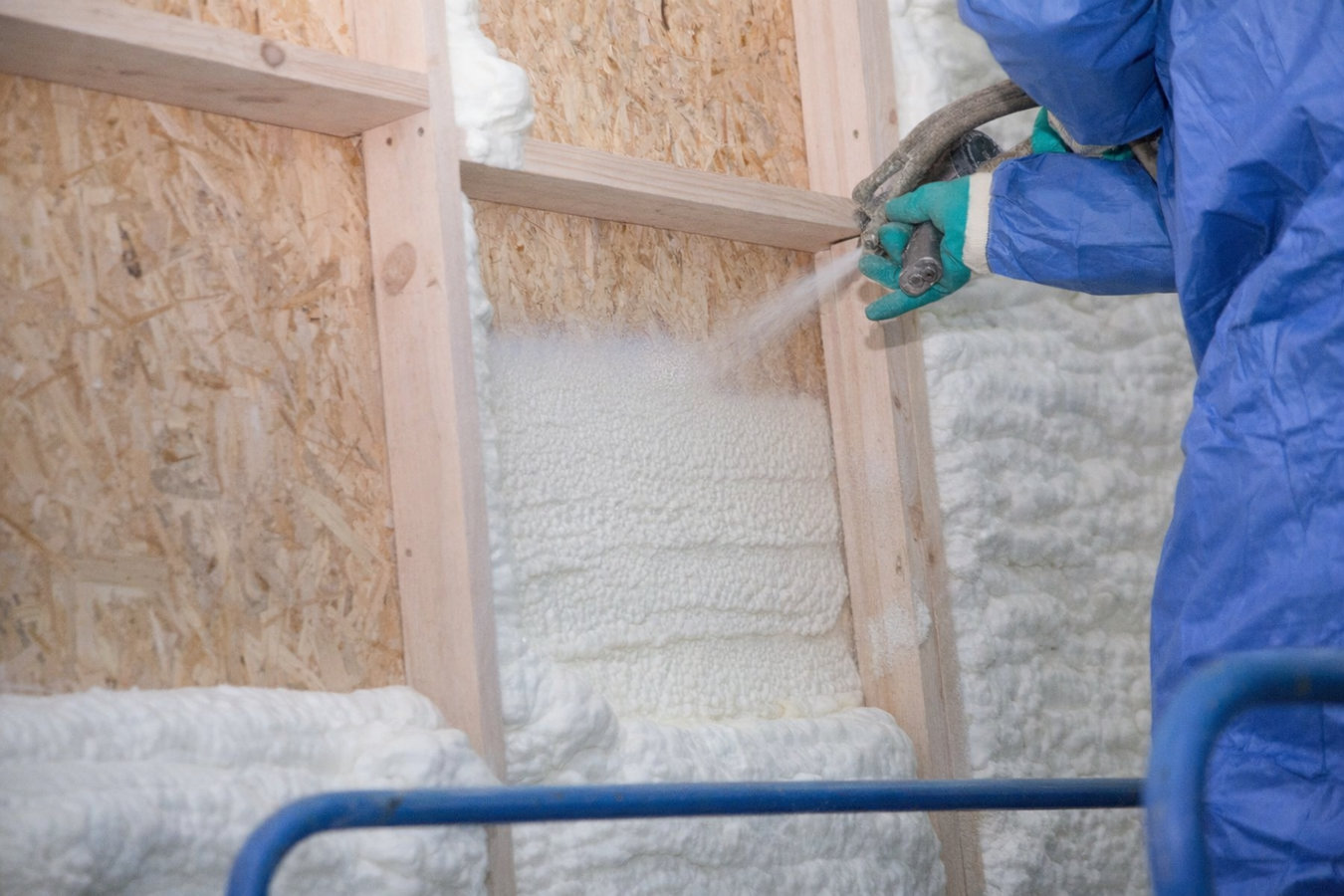
Cold floors, high energy bills, and musty basement air are signs your home is losing the battle against Hollister's heat and cold. Proper basement insulation fixes all three - and we handle it from assessment to cleanup.
Basement insulation in Hollister creates a thermal barrier between the cold ground and the living areas above your head - most jobs are completed in one to two days with no need to leave your home.
Without it, your floors stay cold all winter and your cooling costs climb every summer as heat works its way up from below. Many Hollister homes - especially those built before the 1980s - were never insulated in the basement at all. If yours is one of them, you are paying to heat and cool air that is quietly escaping through the floor.
Basement insulation pairs well with closed-cell foam insulation when moisture resistance is a priority, and with crawl space insulation if your home sits on a raised foundation rather than a full basement. We assess what you actually have and recommend the right approach before any work begins.
If the floors in your kitchen, living room, or hallway feel cold underfoot during Hollister's winter months, heat is likely escaping through an uninsulated basement ceiling below. This is one of the most common complaints in older homes here. It is a sign worth acting on - cold floors usually mean you are paying to heat air that is slipping away.
Hollister summers are genuinely hot, and if your cooling costs seem out of proportion to the size of your home, a poorly insulated basement may be part of the reason. Heat from the ground and outside air can enter through uninsulated basement walls and work its way up into your living spaces. Insulation is one of the most cost-effective ways to reduce that heat gain.
A musty odor or white powdery residue on your concrete walls is a sign that moisture is moving through. This matters because wet walls need to be addressed before insulation goes in - otherwise the insulation traps moisture and creates a bigger problem. If you see these signs, have a contractor assess the space before any insulation work begins.
Many of Hollister's older homes were built to standards that did not require basement insulation at all. If your home is more than 40 years old and you have never had this work done, there is a good chance the basement is completely uninsulated. That is a straightforward opportunity to make your home more comfortable and less expensive to run.
We offer two main approaches to basement insulation, and the right one depends on how you use the space. If you spend time in your basement or plan to finish it, wall insulation treats it as part of your home's living area and keeps it comfortable year-round. For closed-cell foam insulation, we spray directly onto walls or the underside of the floor above - it expands to fill gaps and also acts as a moisture barrier, which matters in Hollister's basement environment.
For unheated storage basements, ceiling insulation - installed between the floor joists above - keeps warmth upstairs where you need it without conditioning the basement itself. Both approaches can be combined with crawl space insulation if your home has a partial basement or transition area underneath. We also check for moisture and air leaks before installing anything, so you are not paying to redo this work down the road.
Best for finished basements or any space you actively use. Treats the basement as part of your living area and keeps it comfortable in both winter and summer.
Best for unheated storage basements. Insulates the floor of the room above so warmth stays upstairs without conditioning the whole basement.
Best when moisture resistance is a top priority. Closed-cell spray foam seals gaps, adds structural stiffness, and acts as a vapor barrier at the same time.
Best for basements with flat, accessible walls where a clean, cost-effective install is the goal. Foam board cuts precisely and fits tightly against concrete.
Hollister sits in the San Benito Valley and swings between summer highs regularly above 90 degrees and winter nights that can dip into the low 30s. That range means your basement insulation has to work in both directions - blocking heat gain in summer and keeping warmth in during winter. Homes in the area that have never had basement insulation added are fighting both seasons from a losing position, and the energy bills reflect it. The older neighborhoods of Hollister - particularly homes built in the 1960s and 1970s - are the most likely to have no basement insulation at all.
Hollister is also near the Calaveras Fault, and years of small seismic activity can open up cracks in basement walls that let in outside air and moisture. We check for those gaps as part of every assessment and seal them before insulation goes in. We serve homeowners throughout the region, including Gilroy and Morgan Hill, where similar housing stock and climate conditions create the same need. The U.S. Department of Energy recommends basement insulation as one of the highest-return home energy upgrades available.
We will ask a few basic questions about your basement - finished or unfinished, full or partial, and what is prompting you to reach out. We respond within one business day and can usually schedule an in-person visit within a few days of your call.
We walk through your basement and look at walls, ceiling, and any visible moisture issues before quoting you a price. This visit takes 30 to 60 minutes, and we explain what we find and how it affects the recommended approach and cost.
After the visit you get a written quote with the scope of work, materials, and total cost clearly laid out. If a permit is required for your project, that is included and noted in the estimate. Nothing starts until you have agreed to every line.
The crew arrives, seals any gaps first, then installs insulation in one to two days for most Hollister homes. Before we leave, we walk you through the finished work and confirm the space is clean. If spray foam was used, expect a mild smell for a day or two that clears on its own.
Free assessment, written estimate, no obligation. We check for moisture issues before anything else - so the job is done right from the start.
(831) 271-0020Basements are the most moisture-prone part of any home, and insulation that goes in over a damp wall will not last. We check for staining, efflorescence, and musty odors before we recommend a material or quote a price. Addressing moisture first is not an upsell - it is what makes the insulation perform for years.
Hollister sits near the Calaveras Fault, and even small tremors can open cracks in basement walls over time. We identify and seal those gaps before insulation is installed - so your home is tighter, more comfortable, and better protected against the next time the ground moves.
We work across Hollister and surrounding areas - not as a franchise sending crews from far away, but as a local contractor who knows the housing stock in this valley. That familiarity with local home types means fewer surprises on job day and more accurate estimates from the start. For permit questions, the City of Hollister Building Division handles approvals for most residential insulation projects, and we work with them regularly.
You see the full cost - materials, labor, and any permit fees - in writing before we schedule installation. The number in your estimate is the number on your invoice. No adjustments once the crew is already in your basement.
Every point above reflects how we actually run jobs in Hollister. A contractor who skips a moisture check before installing and will not put the price in writing upfront is one worth walking away from.
The most moisture-resistant insulation material available - ideal for basement walls and crawl spaces where ground moisture is a concern.
Learn moreFor homes on raised foundations, crawl space insulation addresses heat loss and moisture from below before it reaches your living areas.
Learn moreHollister summers are long and hot - the sooner your basement is insulated, the sooner your home works for you instead of against you. Call or request a free estimate now.