
Commercial Insulation
Insulation for offices, warehouses, and mixed-use buildings in Hollister and San Benito County.
Learn more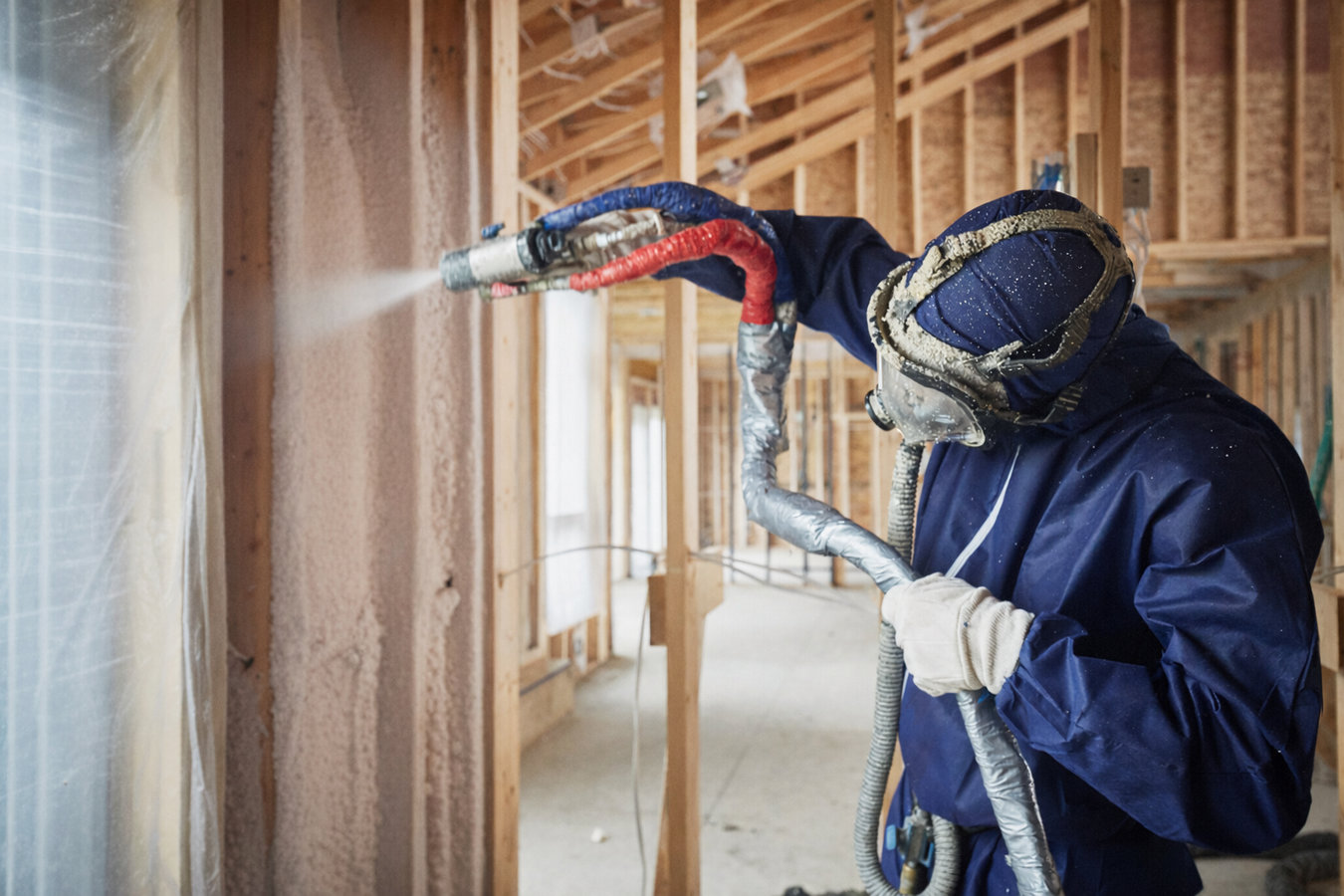
Hot attics, drafty walls, and rising PG&E bills are the same problem. Open-cell foam seals every gap and insulates at the same time - one step, lasting results.
Open-cell foam insulation in Hollister expands to fill every gap in your attic, walls, and crawl space while sealing air leaks at the same time - most residential jobs are completed in one to two days. Unlike traditional fiberglass batts, the foam bonds directly to the framing, leaving no gaps for conditioned air to escape through.
Most Hollister homes built before the 1990s have insulation that has compressed, shifted, or developed gaps over decades of use. That slow degradation shows up as rooms that are stubbornly hot in August, drafts near outlets, and PG&E bills that seem to climb every year. Open-cell foam addresses the underlying problem rather than covering it over.
If your home also needs a full energy assessment, spray foam insulation covers both open-cell and closed-cell applications so you can compare options before committing to a specific material.
If rooms directly below your attic are noticeably hotter than the rest of the house during Hollister's summer heat, your attic insulation is failing to block radiant heat from the roof. This is one of the most common complaints from San Benito Valley homeowners. Open-cell foam applied to the attic floor or roof deck can dramatically reduce that heat transfer.
If your PG&E bill has been creeping up year over year and your usage habits have not changed, air leaks and degraded insulation are often the cause. Older Hollister homes develop more gaps over time as the structure settles, and those gaps let conditioned air escape constantly. A noticeable jump in summer cooling costs is worth investigating.
Hold your hand near an electrical outlet on an exterior wall on a warm day. If you feel warm air pushing in, that is a sign of air leaks in the wall cavity. These small leaks add up to significant energy loss over the course of a year, and they are exactly the kind of gap that open-cell foam is designed to seal in one application.
If you have looked into your attic and the insulation looks compressed, thin, or shows gaps where you can see ceiling drywall, it is no longer doing its job. Fiberglass batts compress over time and lose effectiveness. What looks like insulation in a pre-1990s Hollister home may be providing very little actual thermal protection.
We apply open-cell foam to attics, walls, crawl spaces, and rim joists throughout Hollister and the surrounding area. The material is mixed and sprayed on-site, expanding within seconds to fill cavities completely. For homeowners who need a full-house approach, we combine open-cell foam with targeted commercial insulation solutions for any attached commercial or mixed-use structures on the property.
If you are comparing foam types, spray foam insulation covers both open-cell and closed-cell options with a full breakdown of which application suits which situation. We will walk you through the difference and recommend based on your specific home and budget - not on which product has the higher margin.
Best suited for homeowners whose biggest complaint is summer heat in upper-floor rooms or a high cooling bill.
Ideal for older Hollister homes with drafty walls, outlet air leaks, or visible gaps in wall framing from past renovations.
A good fit for homes with moisture concerns, musty smells, or crawl space insulation that has fallen or deteriorated.
Suited for homes where the gap between the foundation wall and floor framing is contributing to drafts or pest entry.
Hollister sits in the San Benito Valley and regularly sees summer highs in the 90s - with heat that builds through July, August, and September. Homes without adequate attic insulation absorb that heat all day and release it into living spaces at night, forcing air conditioners to run longer and harder. Open-cell foam applied to the attic creates a thermal barrier that keeps radiant heat from ever reaching your living space. Beyond the summer cooling problem, Hollister homes near the Calaveras Fault can experience minor seismic movement that shifts rigid insulation and opens gaps - open-cell foam maintains its seal through that kind of minor structural movement.
We serve homeowners throughout the area including Gilroy and Morgan Hill, where similar valley heat and older housing stock create the same conditions we see in Hollister. California also enforces stricter building energy standards than most states, and any permitted insulation work must meet those requirements - we document compliance so your project qualifies for any available PG&E rebates. For guidance on California's energy standards, the California Energy Commission publishes the current residential requirements.
We reply within 1 business day. We will ask about your home size, the area you want insulated, and any specific problems like heat, drafts, or moisture - so we come to the assessment prepared.
We walk the space, take measurements, and check what is already there. You receive a written quote that breaks down scope and total cost before you commit to anything - no vague estimates.
We give you a clear checklist: clear the work area, plan to be out of the house for at least 24 hours after spraying. Most Hollister attic jobs are scheduled within a few days of quote approval.
The crew arrives, sets up in 30 to 60 minutes, and completes spraying. Before leaving, we walk you through the finished work and provide documentation of coverage and thickness for any rebate applications.
Free written estimate. No obligation. We reply within 1 business day.
(831) 271-0020We work across Hollister and the surrounding region. That means we understand the local housing stock - pre-1990s construction, stucco exteriors, valley heat patterns - rather than sending a crew unfamiliar with the area.
You agree to a total cost before we mix a single component. We do not quote low to get on your calendar and adjust it once we are already in your attic. The number in your written estimate is the number on your invoice.
We check for air leaks during the assessment and include sealing as part of the scope where it matters. Insulation without air sealing is a partial fix - we do not leave you with a partial fix.
The Spray Polyurethane Foam Alliance sets training and quality standards for spray foam installers that go beyond a basic application. Following those standards means consistent thickness, proper protective masking, and a finished job you can inspect - not a rushed application that leaves thin spots or gaps.
Every one of those points reflects how we actually run jobs in Hollister. A contractor who will not put a number in writing or explain rebate eligibility before the work starts is one worth walking away from.
Insulation for offices, warehouses, and mixed-use buildings in Hollister and San Benito County.
Learn moreFull comparison of open-cell and closed-cell spray foam with application-by-application guidance.
Learn moreCalendar spots fill quickly once warm weather starts. Call today or submit an estimate request and we will reply within 1 business day.