
Retrofit Insulation
Add insulation to your existing home without a major renovation - the natural next step after attic air sealing is done.
Learn more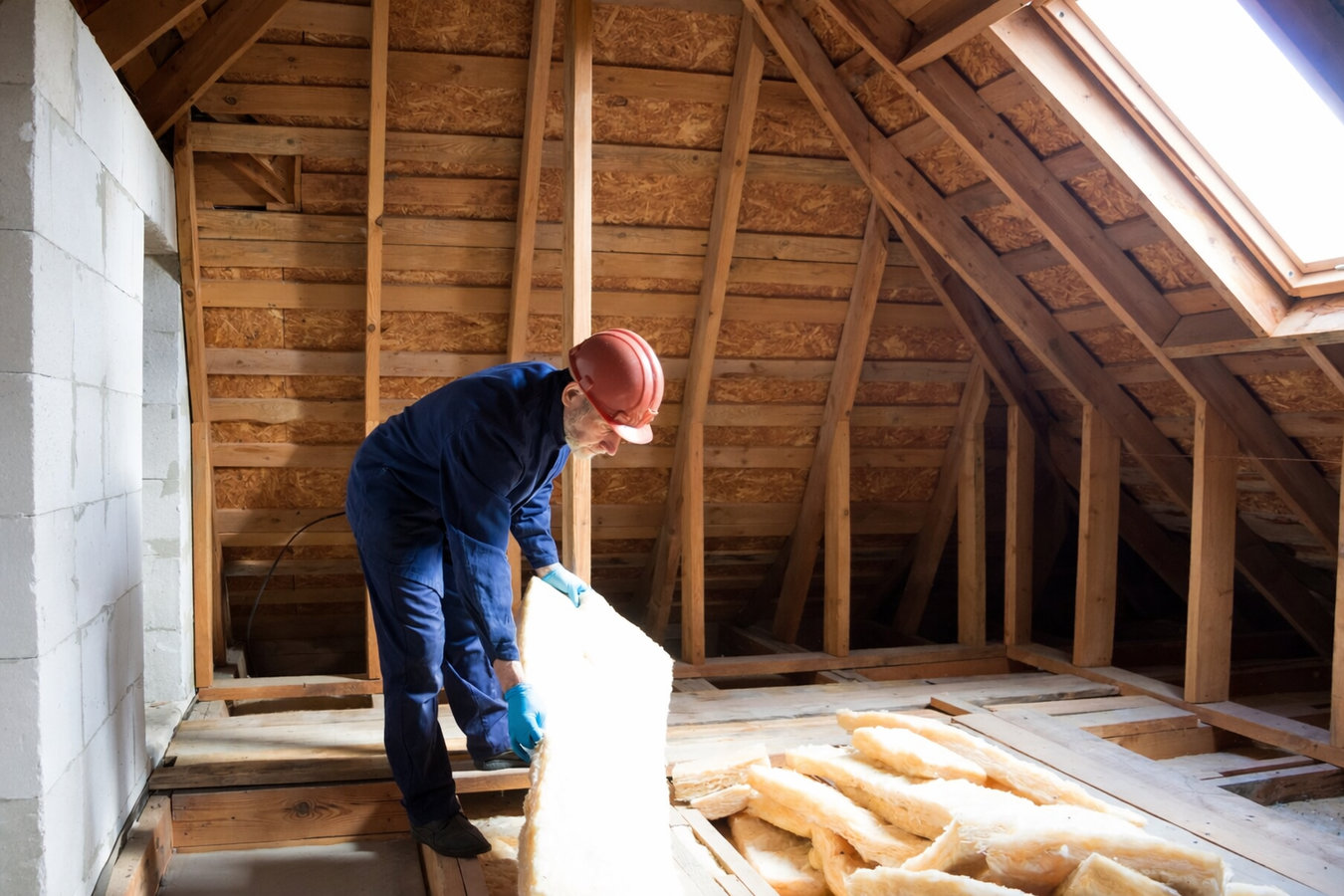
Gaps in your attic floor let extreme summer heat pour into your home. We find every opening and seal it, so your AC stops fighting a losing battle.
Attic air sealing in Hollister finds and plugs every gap in your attic floor - most residential jobs are finished in a single day with no need to vacate the home. Most jobs complete in four to six hours.
Insulation slows heat from moving through solid surfaces, but it cannot stop air from flowing through gaps. Your attic floor has dozens of openings around pipes, wires, recessed lights, and wall tops - and every one of them lets conditioned air escape in winter and hot attic air push down in summer. Attic air sealing is the step that makes insulation work the way it was designed to. If you are also planning retrofit insulation for your home, sealing first is what ensures you actually get the energy savings the insulation is rated for.
Hollister has a large share of homes built in the 1960s through 1980s - a period when builders focused on insulation depth but left every gap around pipes and wires open. If your home is in that age range and has never had energy work done, there is a very good chance heat and money have been escaping through your attic floor for years.
If rooms closest to your attic are noticeably hotter in summer or colder in winter than the rest of the house, attic air is moving freely into your living space. In Hollister, where attic temperatures can climb above 130 degrees on peak summer days, this problem shows up fast. A room that was comfortable in May can feel unbearable by July - and that is not a thermostat problem, it is an air sealing problem.
If your PG&E bill keeps going up but you have not added appliances or changed how you use your home, your heating and cooling system is likely working overtime to compensate for air escaping through your attic. Hollister homeowners on fixed budgets often notice this pattern first - the bill just keeps creeping up year after year with no obvious explanation.
Stand in a room with recessed lights and hold your hand near one on a cold winter evening. If you feel cool air coming through, those fixtures connect directly to your attic and are pulling cold air into your home. This is one of the most common and most overlooked signs that your attic floor has never been properly sealed.
Hollister has a large number of homes from the 1960s through 1980s built without any air sealing at all. If your home is in that age range and you have never had an energy audit or insulation upgrade, your attic almost certainly has significant gaps. You do not need to see or feel anything specific - the age of the home alone is a reliable indicator.
We approach every attic air sealing job by working through the attic floor systematically - every pipe penetration, every wire chase, every recessed light, every wall top - rather than just addressing the obvious spots. Caulk, foam, and rigid blocking are each used where they perform best. For homes where gaps are numerous and deep in older framing, we take the time to document each location so you know exactly what was addressed. When air sealing services are needed beyond the attic - at the crawl space, rim joist, or wall penetrations - we sequence the work to cover the whole home in one coordinated visit when possible.
For many Hollister homeowners, attic air sealing is part of a broader energy upgrade. If you are also adding blown-in insulation after the sealing is done, we coordinate both steps so the insulation is not installed before gaps are closed. If retrofit insulation is on your list, pairing it with attic air sealing in the same project is the most cost-effective way to see the full improvement. PG&E rebate eligibility is discussed at the estimate stage - not after the bill arrives.
Best for homes where the main energy loss is happening at the ceiling plane - sealing every penetration in the attic floor before any new insulation is added.
Ideal for homeowners planning a blown-in or batt insulation upgrade who want to confirm air sealing is done first so the new insulation performs at full efficiency.
For homes built before 1990 that have never had energy work, this full attic inspection identifies every gap and prioritizes them by impact before work begins.
Suitable for homeowners who want attic, crawl space, and wall penetrations addressed together for the most complete improvement in a single visit.
Hollister sits in the San Benito Valley and regularly sees summer highs in the 90s, with attic temperatures that can climb well above 130 degrees on peak days. When your attic gets that hot and there are gaps in the attic floor, superheated air pushes down into your living space and forces your air conditioner to work far harder than it should. Winter brings a different problem - cool, damp air patterns move through the valley at night, and warm air from your heater rises and escapes through those same gaps, running up your gas bill. Attic air sealing pays off in both seasons here, not just one. Homeowners in Morgan Hill face the same combination of hot inland summers and cool valley winters, and attic air sealing delivers the same year-round benefit there.
A significant portion of Hollister's residential neighborhoods were built in the 1960s through 1980s, before modern energy codes required air sealing as part of construction. These homes have attics full of gaps around original plumbing, old electrical wiring, and recessed light fixtures that were never designed to be airtight. California's building energy standards also require that certain energy efficiency measures be addressed when homeowners undertake permitted renovation work - so if a remodel or HVAC replacement is on your horizon, understanding your attic's condition now can help you plan ahead. We also serve homeowners in Salinas where coastal-influenced temperature swings create a similar case for keeping conditioned air where it belongs.
We will respond within one business day. On your first call, we ask a few basic questions - your home's age, whether you have had insulation work done before, and what problems you have been noticing. This is not a sales call; it helps us come prepared with the right materials and a realistic time estimate.
A technician visits and goes up through your attic hatch to do a visual walkthrough. They are looking at where the gaps are, how much existing insulation is present, and whether any moisture or ventilation issues need to be addressed before sealing. This visit typically takes 30 to 60 minutes, and we walk you through what we found before quoting a price.
Your estimate breaks down what will be sealed, what materials will be used, and whether PG&E rebates apply to your project. We flag any rebate eligibility at this stage so there are no surprises after the job is done. There is no obligation to move forward.
On the work day, the crew accesses your attic and seals every penetration they identified - around pipes, wires, light fixtures, wall tops, and any other openings. For most Hollister homes this takes two to six hours. Before leaving, we walk you through what was done and answer any questions.
Free estimate. No obligation. We reply within one business day.
(831) 271-0020Most of Hollister's neighborhoods were built between the 1960s and 1990s - we know exactly what the attics in those homes look like and where the gaps hide. That familiarity means we work faster and miss less than a contractor who shows up to this area a few times a year.
We work through the entire attic floor - every penetration, every wall top, every light fixture - rather than hitting the obvious spots and calling it done. You will receive documentation of every location that was sealed so you know exactly what was addressed.
PG&E serves Hollister and offers rebates for qualifying air sealing work. We flag rebate eligibility during the estimate and handle the process so you do not leave money on the table. California homeowners may also qualify for a federal energy efficiency tax credit when air sealing is combined with insulation work. Learn more at{" "}ENERGY STAR.
We document every air sealing job from start to finish, so you have a clear record of what was addressed and where. That paper trail helps when you apply for a PG&E rebate, pull a permit, or eventually sell your home - and it means nothing about the scope is left to memory.
Every one of these points comes back to the same thing: you should be able to trust that the work was done right without having to check up on it. That is the standard we hold ourselves to on every attic air sealing job in Hollister.
Add insulation to your existing home without a major renovation - the natural next step after attic air sealing is done.
Learn moreWhole-home air sealing that extends beyond the attic to address crawl spaces, rim joists, and wall penetrations throughout your home.
Learn moreHollister attics reach extreme temperatures fast - locking in your appointment now means your home is ready before the heat arrives and your energy bills climb.