
Open-Cell Foam Insulation
A softer, more affordable foam option for interior walls and attic decks where air sealing is the priority and moisture control is less critical.
Learn more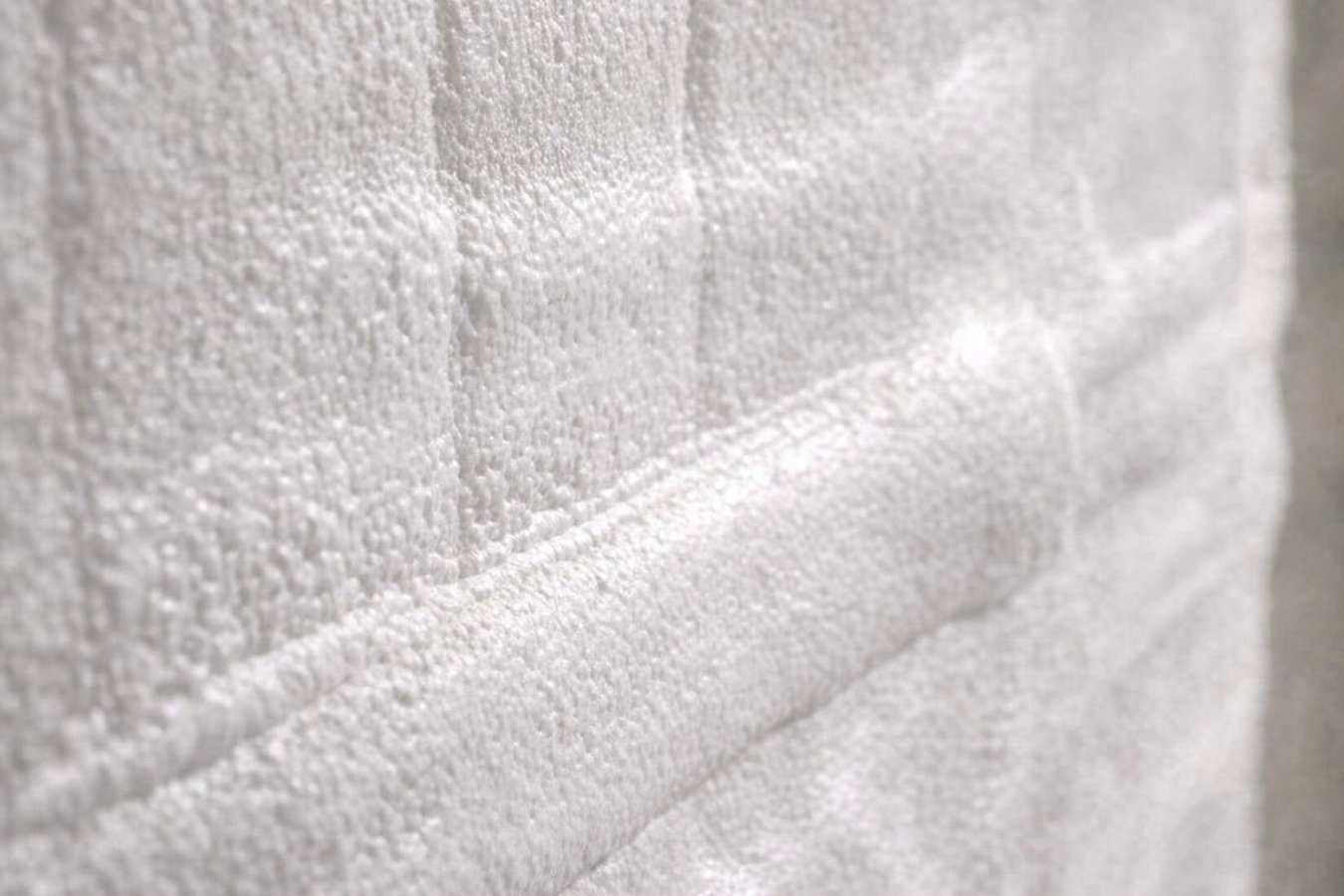
Drafty rooms, high summer cooling bills, and moisture creeping up from your crawl space are problems closed-cell foam solves in a single job - sealing air gaps and blocking moisture at the same time.
Closed-cell foam insulation in Hollister is sprayed onto walls, crawl spaces, and ceilings as a liquid that expands and hardens into a dense, airtight layer - most residential jobs are completed in one to two days, though you need to plan for an overnight stay while the foam cures.
Unlike fiberglass batts or blown-in material, closed-cell foam seals gaps as it expands and also acts as a moisture barrier. That combination makes it the strongest choice for Hollister homes fighting both the valley heat in summer and the ground moisture that moves up through crawl spaces in older houses. If you have a home on a raised foundation or a basement with a moisture history, this material addresses both problems at once.
Closed-cell foam is often paired with open-cell foam insulation for a layered approach, or used as a standalone solution alongside full spray foam insulation services in attics, walls, and crawl spaces. We walk the space with you first and recommend the material that matches your actual situation.
If your cooling costs jump significantly from May through September, your home is likely losing the battle against Hollister's inland heat. That kind of seasonal spike usually means heat is getting in through an under-insulated attic or walls. Closed-cell foam in those areas can dramatically reduce that heat gain and take the load off your air conditioner.
A persistent musty odor in rooms near the floor or in hallways over the crawl space is a sign that ground moisture is moving upward through an unsealed crawl space. This is a common issue in older Hollister homes on raised foundations. Foam insulation in the crawl space addresses the source - not just the symptom.
If one room is noticeably harder to keep comfortable than the rest of the house, it usually means that space has less insulation or more air leaks. West-facing rooms and rooms above the crawl space are the most common culprits in Hollister homes. Targeted foam insulation can even out the temperature across your whole house.
If you find yourself dusting more often in late summer and fall when fields around Hollister are being worked, your home's envelope has gaps letting agricultural air in. Sealing the building with closed-cell foam reduces the entry points for that outdoor air and the particles it carries - a specifically local problem that foam insulation actually solves.
We apply closed-cell foam in crawl spaces, attics, rim joists, and wall cavities depending on where your home is losing the most ground. The material is well suited for spray foam insulation projects where both air sealing and moisture control need to be addressed in one pass. For crawl spaces in particular - a common need across Hollister's older neighborhoods - it creates a sealed environment that stops moisture from cycling upward through the floor.
When the goal is comfort rather than moisture control, we also discuss open-cell foam insulation, which is softer and less expensive but still provides strong air sealing in interior walls and attic decks. In most cases we assess both options side by side and let you decide what makes sense for your budget and the way you use the space. Every job starts with a written estimate and ends with a walkthrough so you can see exactly what was done.
Best for older Hollister homes on raised foundations. Stops ground moisture from migrating upward and eliminates the musty odors and wood rot risk that come with it.
Best for homes where attic heat gain is the primary comfort problem. Foam sprayed to the underside of the roof deck keeps the attic much cooler and cuts cooling loads significantly.
Best for homes with drafts along the floor or around the base of walls. Rim joists are one of the most common air leakage points in older homes and foam seals them permanently.
Best for exterior walls where existing insulation has settled or was never installed. Foam fills the cavity completely and also stops air movement through gaps around wiring and pipes.
Hollister is an inland valley town where summer highs regularly reach the low-to-mid 90s and winter nights drop into the 30s. That two-season energy problem means your home is fighting heat gain in summer and heat loss in winter - and poorly insulated homes pay twice. Closed-cell foam addresses both directions at once, which makes it a stronger investment here than in milder coastal climates. A significant portion of Hollister's residential neighborhoods were built in the 1960s through 1990s, before modern energy codes required tight building envelopes, so the gap between current performance and what is possible is often large.
Crawl spaces are common across older Hollister homes on raised foundations, and ground moisture in the San Benito Valley can migrate upward into living spaces if those spaces are unsealed. Closed-cell foam is one of the few materials that handles both insulation and vapor control in a single application. We serve homeowners throughout the region, including Salinas and Watsonville, where coastal moisture and similar housing stock create comparable needs. For safety guidance on spray foam installation, the U.S. Environmental Protection Agency publishes clear information on proper curing windows and re-entry guidelines.
We ask a few basic questions - what area of your home you want insulated, whether it is a new project or part of a renovation, and roughly how old the home is. We respond within one business day and can typically schedule an on-site estimate within a few days.
We walk through the crawl space, attic, or walls you want insulated and take measurements. You get a written quote that breaks down area, materials, and cost before anything is scheduled. If a permit is required, that is included in the estimate.
Before installation day, we confirm the 24-hour re-entry window so you can plan accordingly. You will need to be out of the home with your family and pets during spraying and for at least 24 hours after. This is a non-negotiable health requirement, not a preference.
The crew arrives, covers adjacent surfaces, and sprays the foam in passes - it firms up within seconds. Most Hollister residential jobs are done in one day. Before leaving, we walk the finished work with you and show you the thickness gauge readings to confirm coverage was hit correctly throughout.
Free assessment, written quote before any work is scheduled. We show you thickness gauge readings on installation day so you can verify coverage yourself.
(831) 271-0020We use a depth gauge to confirm foam reached the correct thickness throughout the covered area and show you the readings before we pack up. You are not paying for work you cannot see and cannot verify - we make sure you can.
A significant number of homes in Hollister were built in the 1960s through 1990s, and we have worked in these spaces regularly. Older crawl spaces and attics often have more surprises - tight clearances, pest damage, original vapor barriers that need to come out first. We flag these during the assessment so the quote is accurate from the start.
We are not a regional franchise dispatching crews from a distant yard. We work out of Hollister and know San Benito County - the permit office, the housing types, the climate. That local knowledge shows up in more accurate quotes and fewer surprises on job day.
The Spray Polyurethane Foam Alliance publishes installation and safety standards that define what good spray foam work looks like - correct chemical temperatures, consistent lift passes, and proper curing windows. We follow these practices on every job and are happy to walk you through them before work begins.
A contractor who will not show you thickness readings at the end of the job or who suggests skipping the permit is a contractor cutting corners you will pay for later. Every job we run in Hollister is documented and verified before we leave the property.
A softer, more affordable foam option for interior walls and attic decks where air sealing is the priority and moisture control is less critical.
Learn moreOur full-service spray foam program covering attics, walls, crawl spaces, and rim joists across Hollister and the surrounding region.
Learn moreInstallation slots fill up fast in spring - call now or request a free estimate online and lock in your date before the valley heat arrives.