Blown-In Insulation
The blown-in method works for attics and other areas of your home where batt insulation would leave gaps around framing or obstacles.
Learn more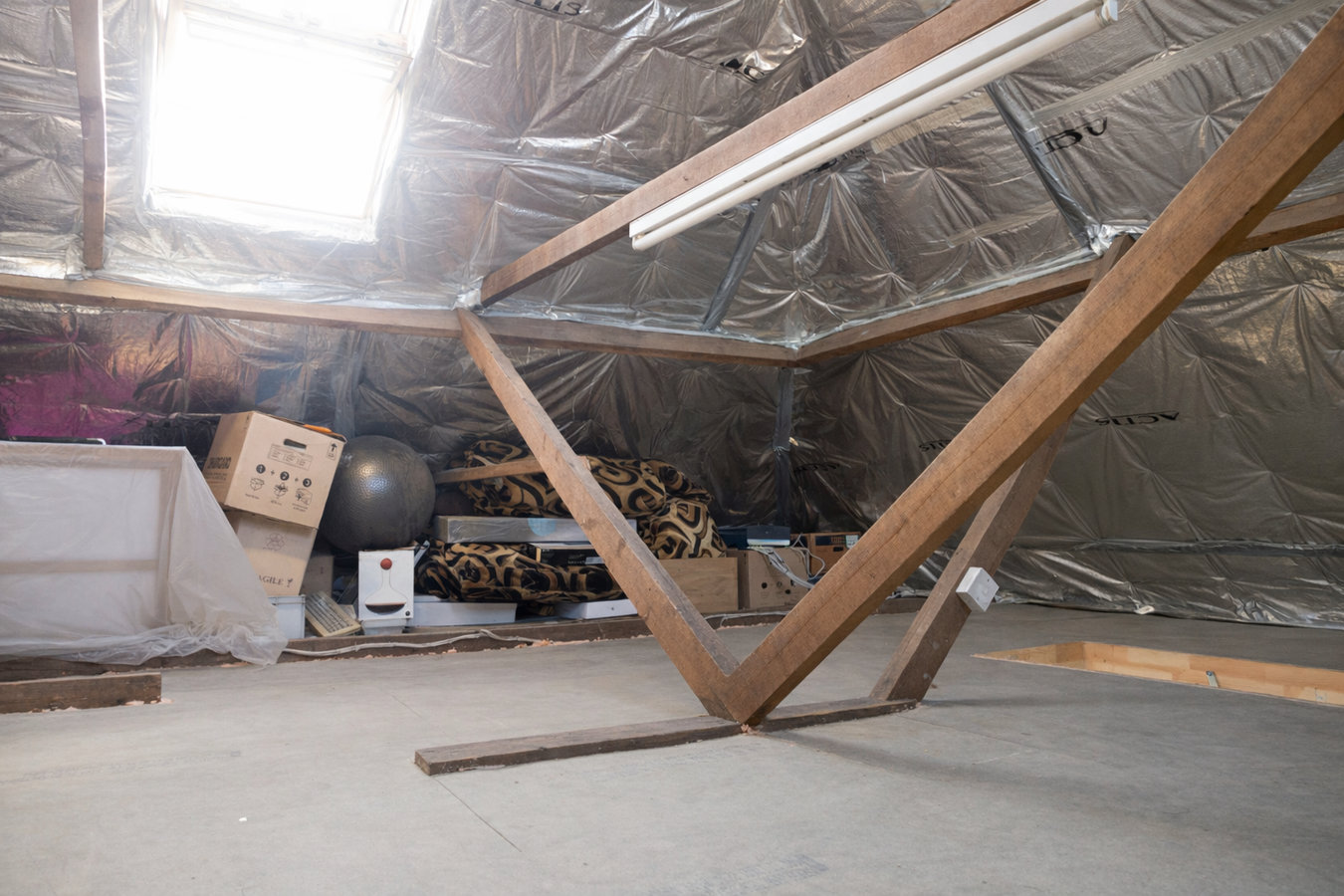
Your attic is likely the biggest source of heat gain in summer and heat loss in winter. Proper attic insulation makes a difference you can feel and measure on your PG&E bill.
Attic insulation in Hollister acts as a thermal blanket between your living space and the outdoor heat - most jobs on a single-family home take one day or less and the results show up on your energy bill within the first full season. The Department of Energy recommends R-38 to R-60 for homes in California's inland valleys, which translates to roughly 10 to 16 inches of blown-in insulation.
A well-insulated attic slows heat transfer in both directions - keeping your home cooler in Hollister's long, hot summers and warmer when winter nights drop into the 30s. But adding insulation without air sealing first is one of the most common contractor shortcuts. Before any new material goes in, we seal the gaps around pipes, wires, and fixtures that let your conditioned air escape. That step is also why many homeowners pair an attic insulation job with our attic air sealing service - doing both at once is more efficient and more effective.
If you are not sure how much insulation you have, a flashlight check is the fastest way to find out. If you can see the wooden beams running across your attic floor, it is not enough for this climate.
If the second floor or rooms near the ceiling feel noticeably hotter than the rest of your home during Hollister's summer heat, your attic insulation is likely the reason. Heat builds up in an under-insulated attic and radiates through the ceiling all day and into the evening - your AC cannot overcome it.
If your PG&E bill has been higher than expected - especially during summer cooling or winter heating months - poor attic insulation is one of the first things worth checking. An attic losing conditioned air forces your HVAC to run longer and harder to maintain your set temperature.
If you peek into your attic with a flashlight and can clearly see the wooden beams running across the floor, your insulation is too thin. Properly insulated attics in this climate should have the joists completely buried. This is a two-minute check you can do yourself today.
Hollister's proximity to agricultural land makes rodent intrusion common. Rodents nest in and destroy attic insulation quickly. If you have heard scratching sounds, found droppings near your attic hatch, or smelled something musty from above, your insulation may already be compromised and need to come out before new material goes in.
We install blown-in loose-fill and batt insulation in attics throughout the Hollister area, always starting with a thorough inspection of what is already there. If we find signs of rodent damage or moisture, we address that before any new material goes in - because installing fresh insulation on top of a contaminated space is a waste of money. Most Hollister attics are best served by blown-in material, which fills irregular spaces evenly and works well for topping up existing insulation in accessible attics.
For homeowners who want to go further than insulation alone, we also offer full blown-in insulation for other areas of the home, and we always include an air sealing pass before laying down new material. Air sealing is the step that makes insulation perform the way it should - skipping it is the most common shortcut in the industry, and it is never part of how we work.
Best for accessible attics, topping up existing material, and irregular spaces where batt insulation would leave gaps.
Best for open, accessible attics with standard framing where pre-cut blankets fit cleanly between joists.
Before any new insulation goes in, we check for contamination and remove damaged material if needed.
We seal gaps around pipes, wires, and light fixtures before installing new insulation - the step most contractors skip.
A large share of Hollister's residential neighborhoods were built in the 1960s through the 1990s, when insulation standards were well below what California requires today. If your home was built before 2000 and has never had insulation work done, there is a very good chance what is up there is either too thin, compressed with age, or both. Hollister sits in the San Benito Valley and sees summer temperatures that regularly push into the 90s - an under-insulated attic turns into a heat radiator that works against your cooling system all day. The agricultural land surrounding the city also means rodents are a more common problem here than in urban areas, and that affects attic insulation specifically.
We serve the full Hollister area and nearby communities. If you are in Morgan Hill or Gilroy, we work in those areas too and see the same housing-age patterns. PG&E also offers rebates for qualifying attic insulation upgrades that can reduce your out-of-pocket cost - we will walk you through what you may qualify for during your estimate. See PG&E energy efficiency rebates.
We respond within 1 business day. A real person calls you back to ask about your home and schedule a free estimate visit - no automated email chains.
We go into your attic with a flashlight, measure what is there, check for rodent damage or moisture, and assess access. You get a clear explanation of what we found, in plain terms.
You receive a written quote breaking down the work and the cost. If your project requires a permit, we handle it. We also flag any PG&E rebates that apply to your job.
The crew works entirely in the attic. Most jobs take one day. When they finish, we walk you through the result, confirm the insulation depth, and hand you any documentation for rebates or permits.
We respond within 1 business day - no automated replies. This form is no-obligation. After you submit, someone from our office calls to schedule a free on-site estimate at a time that works for you.
(831) 271-0020We document every attic job from start to finish, so you have proper paperwork if you are applying for a PG&E rebate, pulling a permit, or eventually selling your home - nothing about the scope is left to memory.
Hollister homes near agricultural areas deal with rodents more than most. We check your attic before quoting - every time. If damaged material needs to come out first, we tell you that upfront, not after we start.
Sealing gaps around pipes, wires, and fixtures before adding insulation is the step that makes insulation actually work. We include it in every attic job - it is not a line item you have to ask for.
We serve the full Hollister area and try to schedule estimate visits within a few days of your call. No long waits, no automated booking systems - just a conversation about your home and a visit to see it in person.
These are not just things we say - they show up in how every job runs. Ask us for references from Hollister-area attic jobs during your estimate visit. We are happy to connect you with homeowners who can tell you what the experience was like.
The blown-in method works for attics and other areas of your home where batt insulation would leave gaps around framing or obstacles.
Learn moreSealing the attic floor gaps before adding insulation is the step that makes your insulation actually perform - we offer it as a dedicated service too.
Learn moreThe sooner your attic is properly insulated, the sooner Hollister summers stop driving your energy bill - get your estimate scheduled this week.